

The Steering Committee meeting has been moved again. The sponsor’s assistant found a conflict, two members sent their apologies, and the one decision on the agenda, the new go-live date, now waits another four weeks.
So the project waits as well.
In the play, two men wait by a tree for somebody called Godot. He is expected any moment. He never comes. Nobody leaves, because he might come.
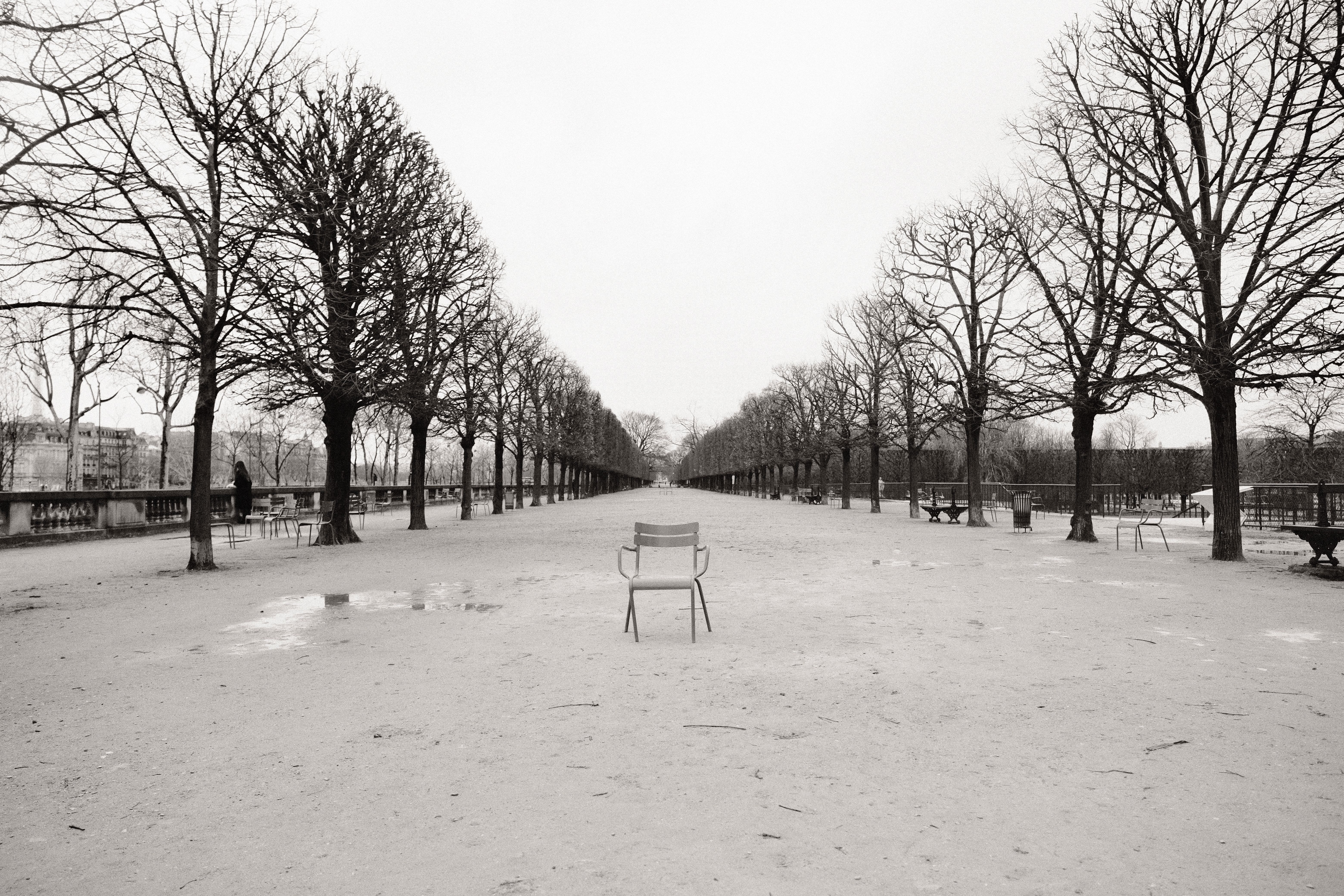
The word *steering* in Steering Committee was not picked at random. The committee is there to steer: set direction, approve the budget, and take the decisions the project team is not allowed to take.
That only works if the people around the table have the time, the authority, and the knowledge to do it.
Yet the composition of a Steering Committee is one of the least considered decisions in setting up a project. It is usually settled by an email from the sponsor and a quick look at the organization chart.
The New Wing
A hospital decides to build a new wing. Three years, a serious budget, and a press release.
At the announcement, everybody wants a seat on the building committee. The chairman of the hospital board. A member of the regional council. The well-known surgeon whose name might end up on the building. There is a photo of the first spade going into the ground, and every one of them is in it. The project is visible, strategic, and nothing has gone wrong yet.
Eighteen months later, the ground turns out to be contaminated and the budget is twenty percent over. The wing is still visible, for an entirely different reason. Suddenly the diaries are full, and the committee members start sending deputies.
Projects work exactly the same way. A visible, strategic project with a low risk of failure attracts candidates from every direction, because a seat on its Steering Committee is good for a career.
A high-risk project struggles to fill its seats from the start. And a project that starts to overrun finds its seats emptying one apology at a time, right when it needs decisions most.
Waiting for the Chairman
The second mistake is not political. It is a belief, and it sounds perfectly reasonable: the higher up the committee member sits, the more he or she will get done for the project.
Up to a point, that is true. A senior member can unblock things a project manager never could. But there is such a thing as too high up the ladder. The chairman looks excellent on the project organization chart. He also has forty other priorities, and yours is not near the top of any of them.
So the chairman does not come to the meetings. The contractor needs a decision on the redesigned foundations, and charges for every day the crew stands idle while it waits. The decision cannot be taken without the chairman. He is expected at the next meeting. And the one after that.
The committee that was meant to unblock the project has become the thing blocking it.
Then there is the question of who is not on the committee at all.
Nobody asked the nurses. So when the committee looks for savings to cover the overrun, it approves smaller lifts. They meet the building code, and they save a nice amount. Anybody who has ever pushed a hospital bed could have told them what the problem was.
On a project, the nurses are the group whose work the outcome depends on. Operations, who will run the thing. The supplier’s delivery lead. The business unit that has to change the way it works. Leave them out and the Steering Committee will take decisions that look fine on paper and cannot be carried out by the people who have to carry them out.
Picking for the Photo
None of this is hard to fix. It just has to be fixed at the start, when the committee is composed, and not halfway through, when nobody wants to be the one asking the chairman to step down.
For every seat, ask:
Will this person attend, every time, for the full duration of the project?
Can this person decide on budget, scope, and dates without first checking with somebody else?
Who does this person speak for, and which group is left without a voice?
Not every stakeholder needs a seat. But every group the project depends on needs somebody at the table who knows that work and can commit to it.
A seat filled for visibility is a seat that cannot be filled for representation.
Note that seniority appears nowhere on that list. A head of department who turns up every month and can decide is worth more than a board member who turns up for the kick-off and the go-live party.
The project manager rarely gets to pick the committee. But the project manager can put those questions in the Project Initiation Document and ask the sponsor to answer them, name by name, in writing. That alone is often enough to make somebody reconsider.
The new wing opened a year late.
Unlike in the play, Godot did turn up in the end. To cut the ribbon. Every seat on the committee was filled again, for the photo.
The first bed arrived an hour later.
It did not fit in the lift.